[email protected] Citazione



[email protected] Citazione

Our engineering team develops the powder milling system for food manufacturers and agricultural processors who need stable powder production solutions. Inoltre, our food processing system supports spice, root, agricultural, and food ingredient powder processing projects. Moreover, our production solutions connect cleaning, slicing, essiccazione, milling, and packaging into one procedure. Therefore, you can choose a suitable powder manufacturing plan according to raw materials, investment budget and factory conditions.
Industrial food manufacturers usually need more than a single grinding machine for commercial powder production. Generally, the entire system features enclosed crushing, minimal dust, low noise, and a clean, environmentally friendly food powder production process.
☑Spice manufacturers often process dried chilli, turmeric, cumin, pepper, cinnamon, and bay leaf into commercial seasoning powder. Moreover, these projects require stable particle size, clean material handling, and continuous powder collection.
☑Root powder producers usually process powdery ginger, garlic, onion, cassava, and banana. However, these materials normally require preparation before milling. The complete procedure may include cleaning, peeling, slicing, essiccazione, milling, and packaging. Moreover, our food processing solutions can connect preparation equipment with powder production systems according to your factory plan.
☑Food ingredient suppliers may produce powdered sugar, salt, rice powder, cereal ingredients, and other dry additives. Furthermore, these customers usually care about production stability, powder fineness, dust control, and investment return.
 Chili Powder
 Ginder Powder
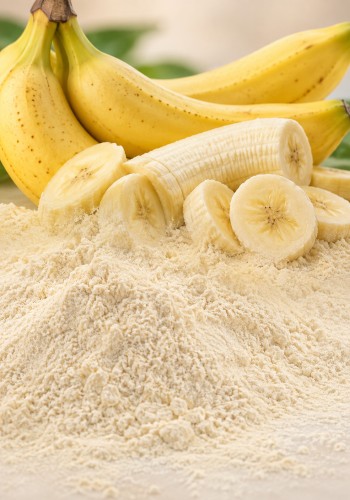 Banana Powder
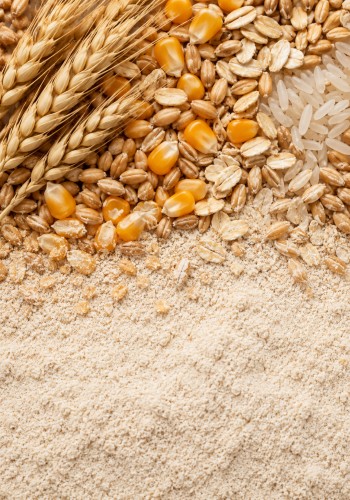 Grain Flour
We supplies a complete food powder processing system including the mill, cyclone, airlock, dust collector, fan, and control cabinet. You can buy the complete powder milling system for continuous food production. Also, you can add a packaging machine for a finished powder manufacturing process. You can buy a single mill for a small commercial plant. Moreover, you can purchase a full powder production line for a large factory. This system suits both small commercial plants and large powder factories.


In fact, the operating speed of ultrafine powder grinders in the whole powder milling system are stronger and more efficient than traditional food grinding machines. This system equips a feeding hopper or feeding machine. Specifically, the grinding chamber applies high-speed grinding blades to the dry material. A replaceable screen mesh controls the final powder fineness. Furthermore, our plant offers a water-cooled chamber for heat management during long production runs.
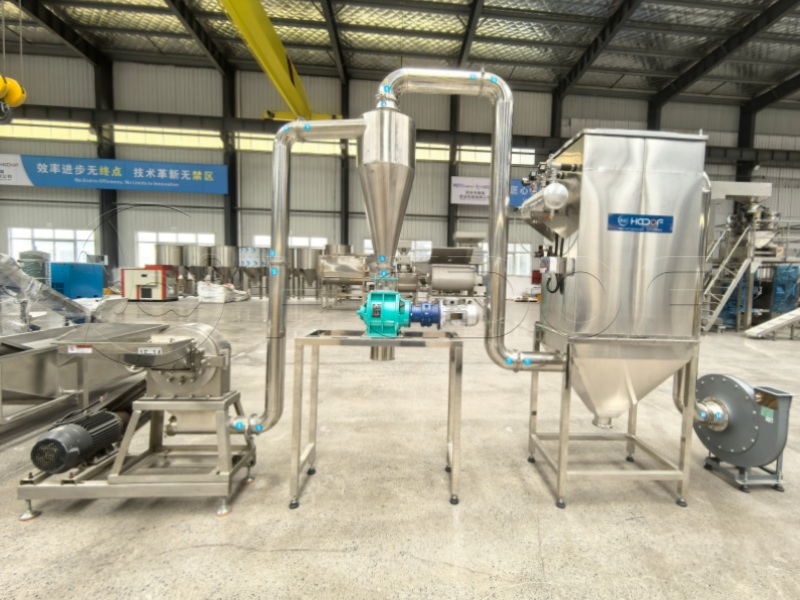

A cyclone separator collects most powder from the airflow. In addition, a stainless rotary airlock ensures clean powder disposal into packaging or storage while it keeps the system airtight. The pulse dust collector captures fine particles, and an air fan maintains the negative pressure. Meanwhile, a stainless control cabinet manages the main motor with star-delta starting. We can connect a packaging machine or storage bin at the end.
These equipment perform a clear function in the food powder production procedure. Thus, each component helps you handle powder without dust or loss.
The investment of a powder milling project depends on production capacity, equipment configuration, workshop requirements, and powder collection design. Moreover, larger production systems require stronger material handling and dust management solutions. Our engineers normally evaluate your raw materials, capacity, and factory layout before preparing a quotation. Therefore, the following configurations represent reference solutions for different production scales.
➤500 kg/h powder milling line: suitable for medium food processors, con 12–16 kW total power and a budget of USD 8,000–9,500.
➤1,000 kg/h powder milling line: suitable for commercial spice and agricultural powder factories, con 22–25 kW total power and a cost of USD 10,000–12,000.
➤2,000 kg/h powder milling line: suitable for larger factories, con 45–50 kW total power and a quotation of Dollaro statunitense 15,000.
Actually, the 500-2,000 kg/h powder grinding system occupies just about 5-8㎡. And you should reserve additional space for raw materials, finished powder, utilities, and packaging. Hence, the powder milling system layout normally requires around 30-50 m² of production space.
Per saperne di più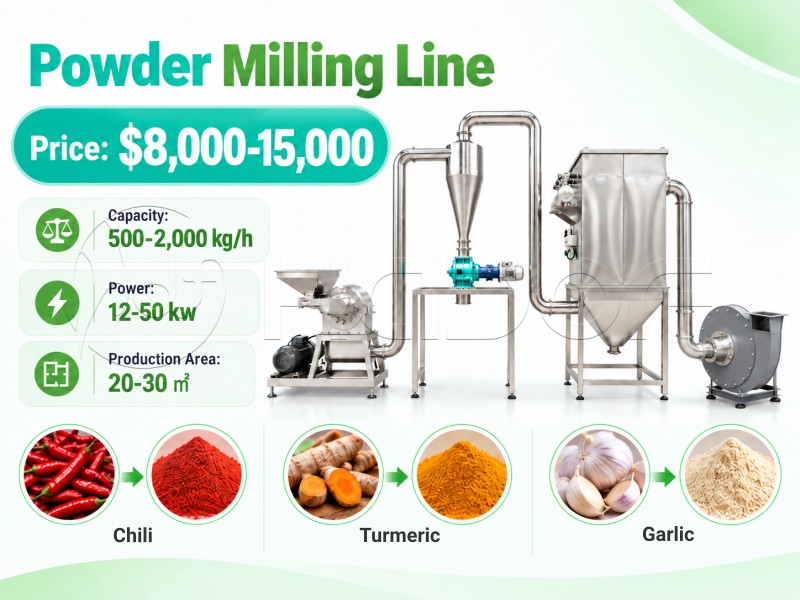
Our food powder milling line from feeding to dust removal focuses on stable material flow and consistent powder quality. You can choose it as a single powder production system. Alternatively, our plant connects it to cleaning, essiccazione, and packaging equipment for a complete food manufacturing line.
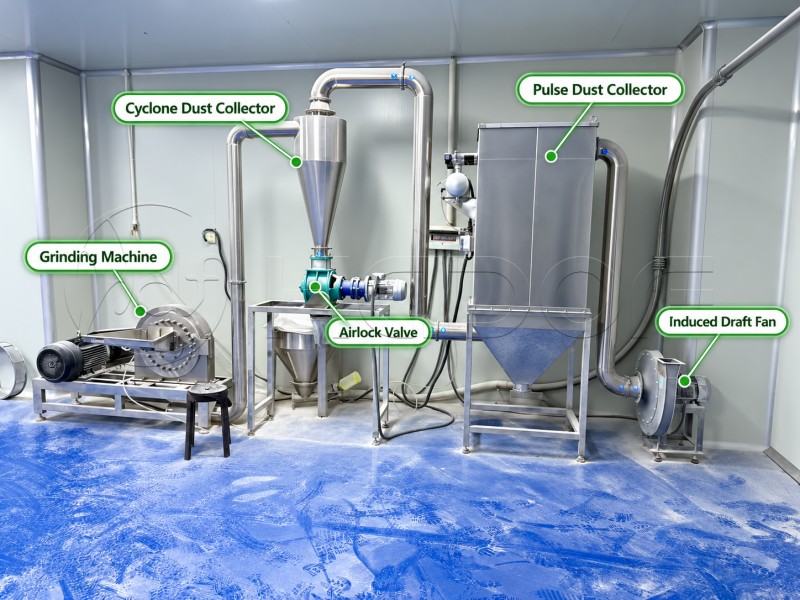
Food manufacturers value hygiene, fineness control, and stable capacity when they purchase milling machinery. Our company designs this powder milling line for industrial food preparation and continuous powder production.

Food-contact parts can use stainless steel construction, and the 500-2,000 kg/h grinding line includes a 304 water-cooled chamber. We recommend stainless structure for hygienic powder handling. However, you should confirm the exact 304 scope from the bill of materials. Our sales team will explain the material treatment for your product.

Operators change the screen mesh to produce coarse or fine powder. The supplied reference range covers 10 mesh to 150 μm. Consequently, you can match the powder size to your market demand. You had better test your material with the target screen before full purchase.
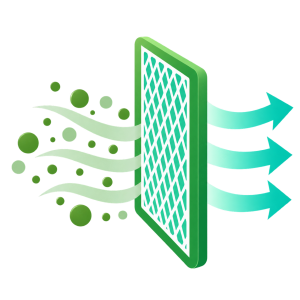
Dry milling does not add water to the product. Specifically, our line image shows a cold-water inlet for the water-cooled chamber. This design reduces heat buildup during continuous milling. In addition, a cyclone, airlock, and pulse dust collector control workshop dust. You can then handle the powder with better working conditions.
Therefore, you can compare our construction, screen system, and cooling option with other food processing equipment.
A complete food powder manufacturing process combines multiple devices because industrial powder production requires more than grinding. Moreover, each component supports a specific production function.
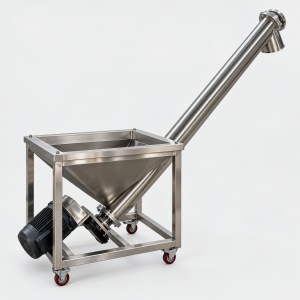
The feeding machinery controls material entering speed and supports continuous food production. Of course, if the feeding quantity is high, we can increase the size of the feed hopper.
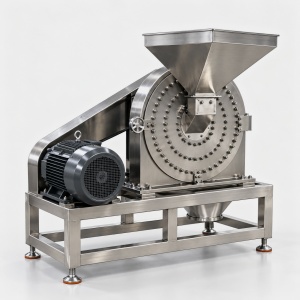
The grinding machine performs the main size milling process. Moreover, the grinding chamber uses shredding, shearing, or high-speed airflow collision to grind grains, condiments, and spices into fine powder.

The cyclone separator separates powder from airflow after grinding. Moreover, it reduces powder loss and improves material collection efficiency.
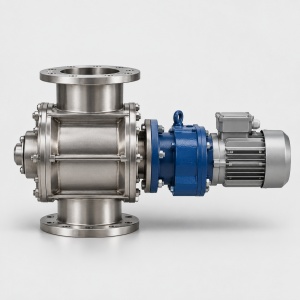
The rotary airlock controls powder discharge from the separation system. Therefore, the component supports continuous powder handling during production.

The pulse dust collector captures fine powder particles from airflow. Furthermore, it improves dust management during large-scale food powder manufacturing.
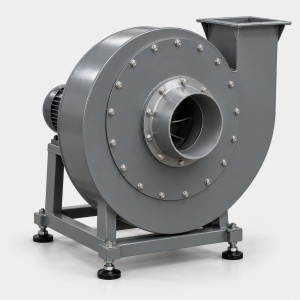
The fan creates airflow throughout the milling system. Also, it enables the material to flow with the airflow from the feeding to the discharging end. Meanwhile, the electrical control cabinet manages equipment operation and motor starting.
Our line handles dried chili, turmeric, cumin, pepper, cinnamon, and bay leaf. Moreover, our plant offers ginger, garlic, and onion powder production lines. You can process dried cassava chips with a suitable milling procedure. However, fresh roots need cleaning, slicing, and drying before milling.
Fresh roots and vegetables cannot enter the dry powder milling line directly. You need a cleaning, slicing, and drying procedure before milling. Therefore, we recommend a complete ginger, garlic, or onion powder production line. You can ask us for the correct process design.
Operators change the screen mesh to control the powder fineness. The supplied reference range covers 10 to 150 μm. Consequently, you can produce different powder sizes for different markets. You had better confirm the exact screen specification before quotation.
Dry powder milling process does not add water to your food material. Specifically, our machine includes a cold-water inlet for the optional water-cooled chamber. This cooling system removes heat during continuous milling.
Lascia il tuo messaggio
 Preventivo gratuito
Preventivo gratuito
Preventivo gratuito
 Italiano
 English
 Afrikaans
 Shqip
Shqip العربية
 Հայերեն
 Azərbaycan dili
 Беларуская
 Bosanski jezik
 Български
 မြန်မာစာ
 Hrvatski
 Čeština
 Dansk
Dansk Nederlands
 Eesti keel
 Wikang Filipino
 Suomi
Suomi Français
 Galego
 Deutsch
 Ελληνικά
 हिन्दी; हिंदी
 Magyar
 Íslenska
 Bahasa Indonesia
 Gaeilge Italiano
 日本語
日本語 Қазақ тілі
 한국어
한국어 ພາສາລາວ
 Latīna
 Latviešu valoda
 Bahasa Melayu
 Монгол
 नेपाली
 Norsk
Norsk Português
 Português do Brasil
 Română
 Русский
 Cрпски језик
 Slovenčina
 Slovenščina
 Español
 Svenska
 ภาษาไทย
 Türkçe
 Українська
 Oʻzbek tili
 Tiếng Việt
Non puoi copiare il contenuto di questa pagina